

Expert Legal Representation for Nursing Home and Assisted Living Malnutrition in Hayward, CA
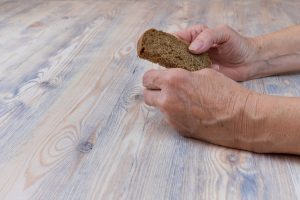 Proper nutrition is the cornerstone of health, particularly for seniors whose bodies have a diminished capacity to recover from illness or injury. In Hayward, care facilities have a strict legal and ethical obligation to ensure every resident receives adequate caloric intake and the necessary vitamins to maintain their health. When a resident suffers from severe weight loss or nutrient deficiencies, it is often a visible sign of systemic institutional neglect.
At Stebner, Gertler, & Guadagni, we represent families whose loved ones have been victims of nursing home malnutrition. We understand that malnutrition is rarely the result of a resident “not being hungry.” Instead, it is frequently caused by assisted living understaffing, where there simply aren’t enough aides to help residents eat, or a failure to provide the specialized diets required for those with swallowing difficulties. Our firm is dedicated to holding these facilities accountable for this fundamental failure of care.
Key Takeaways: Malnutrition in Hayward Care Facilities
- Preventable Decline: Most cases of malnutrition can be prevented with regular weight monitoring, individualized meal plans, and proper feeding assistance.
- Cognitive Vulnerability: Residents in memory care malnutrition cases often forget to eat or lose the ability to use utensils, requiring proactive intervention from staff.
- Staffing and Supervision: Malnutrition is a hallmark of an understaffed facility; if an aide is rushed, they may remove a tray before a resident has finished or skip feeding sessions entirely.
- Legal Remedies: Under the California Elder Abuse Act, proving reckless neglect in a malnutrition case can lead to the recovery of attorney’s fees and punitive damages.
Understanding Malnutrition Neglect in Hayward
Malnutrition is a complex condition that involves more than just a lack of food. It often stems from a facility’s failure to manage a resident’s specific physical or cognitive needs.
The Gap Between Custodial and Medical Care
Assisted living facilities are non-medical settings, yet they often admit residents with complex nutritional needs. Neglect occurs when a Hayward facility fails to recognize that a resident requires a “mechanical soft” or “pureed” diet, leading to choking hazards or the resident simply giving up on eating because the food is too difficult to consume.
Settings Where Malnutrition Occurs
- Nursing home malnutrition: Skilled nursing facilities must have a registered dietitian on staff or as a consultant. Failure to follow a dietitian’s orders is a direct breach of the standard of care.
- Memory care malnutrition: In dementia care malnutrition cases, staff must provide “cues” and constant encouragement. When a facility is understaffed, these time-intensive tasks are the first to be ignored.
- Assisted living malnutrition: Even though these are residential settings, they must notify a physician and the family immediately if a resident experiences significant, unplanned weight loss.
The “Dying Process” Myth
Facilities frequently tell families that weight loss is just “part of the dying process” to avoid liability. While end-of-life decline does occur, clinical malnutrition happens much earlier and is often the *cause* of the decline, not a symptom of it. If a resident is not in active, multi-system organ failure, their weight loss is likely the result of memory care negligence.
Why Choose Stebner, Gertler, & Guadagni?
Litigating a malnutrition case requires a sophisticated understanding of both medical nutrition standards and California elder law.
Pioneers in Elder Advocacy
Our firm is led by Kathryn Stebner, who filed the first elder abuse lawsuit in California. For over 35 years, we have focused exclusively on protecting seniors in Hayward and throughout the state. We don’t just understand the regulations; we helped shape the legal landscape that holds negligent facilities responsible for nursing home malnutrition.
Forensic Investigation of Care Records
Facilities often claim that weight loss is a “natural part of aging.” We use forensic experts to dismantle this defense by reviewing “Percentage of Meal Consumed” logs, weekly weight charts, and staffing ratios. If the records show your loved one was losing weight while the facility took no action, we have the evidence needed to prove assisted living malnutrition.
Commitment to Systemic Change
We handle every case on a contingency fee basis, meaning your family pays nothing unless we secure a recovery. By pursuing these cases aggressively, we force Hayward facilities to prioritize resident health over corporate profits. Our goal is to ensure that no other family has to watch a loved one waste away due to neglect.
Warning Signs for Hayward Families
If you suspect your loved one is not receiving adequate nutrition in a Hayward facility, look for these physical and environmental red flags:
- Physical Changes: Loose-fitting clothing or jewelry, sunken cheeks, brittle hair, and skin that appears pale or papery.
- Cognitive Decline: Increased confusion or irritability, which is often exacerbated by vitamin deficiencies.
- Poor Wound Healing: If a resident has bedsores that will not heal, it could be linked to a lack of protein and nutrients.
- Environmental Clues: Trays left untouched in the resident’s room, staff who are not helping residents during mealtimes, or a lack of snacks and water between meals.
What to Do if Malnutrition is Suspected
If you notice significant weight loss in a loved one, you must act quickly to prevent permanent organ damage:
- Demand a Weight History: Ask for the last six months of weight logs. Significant loss (e.g., 5% in a month or 10% in six months) requires a physician’s intervention.
- Request a Nutrition Consultation: Insist that a registered dietitian evaluate the resident and update their care plan.
- Document the Meals: Visit during mealtimes to see if the resident is actually being assisted or if they are being ignored.
- Consult a Hayward Malnutrition Lawyer: Legal intervention can force a facility to provide the necessary care and hold them accountable for the harm already caused.
Families across California trust Stebner, Gertler & Guadagni to hold negligent facilities accountable.
Client Testimonials and Reviews
Notable Case Results


Stebner Gertler & Guadagni has recovered tens of millions of dollars for victims of elder abuse and neglect throughout California. See more of our notable case results.
Frequently Asked Questions
Yes. Malnutrition weakens the immune system, often leading to a dementia care death caused by pneumonia or sepsis. When the body has no fuel, it cannot fight off even minor infections.
Yes. Proper nutrition is required for skin integrity. If a resident is suffering from memory care malnutrition, their body cannot repair tissue, making them extremely susceptible to Stage IV bedsores and infections.
Yes. We represent many families in Hayward who have lost a loved one due to the complications of prolonged nursing home malnutrition. We fight to ensure the facility pays for this ultimate failure of care.
A Hayward malnutrition lawyer looks at lab results (such as albumin and pre-albumin levels), weight logs, and “meal consumption” charts. Often, we find that staff were “fudging” the charts, claiming the resident ate 100% of their meal when photos from the family show otherwise.
Generally, you have two years from the discovery of the negligence. However, because evidence like food logs and staffing schedules can be “lost” by the facility, you should contact Stebner, Gertler, & Guadagni immediately.
Not always, but nursing home malnutrition is suspected if the facility failed to monitor the weight, failed to notify a doctor, or failed to implement a “high-calorie” plan. If the loss was preventable, it is medical staff negligence.
If we can prove that assisted living malnutrition was the result of “recklessness, oppression, fraud, or malice,” the California Elder Abuse Act allows for the recovery of attorney’s fees and potentially punitive damages against the Hayward facility.
In dementia care malnutrition, a resident may refuse food due to confusion or depression. The Hayward facility is legally required to try different interventions, such as finger foods, supplements (like Ensure), or changing the meal environment. Simply accepting a “refusal” is neglect.
Contact a Hayward Malnutrition Lawyer Today
No senior in Hayward should ever suffer from the hunger or physical wasting caused by institutional neglect. Malnutrition is a clear sign that a facility is not fulfilling its most basic duty to its residents. If you believe your loved one is a victim of malnutrition or fluid neglect, contact Stebner, Gertler, & Guadagni today for a free, confidential consultation. Let us help you protect your loved one and secure the justice they deserve.