

In California, a Long-Term Care Ombudsman and a Hayward elder abuse attorney operate under entirely different legal frameworks to protect residents in nursing homes and assisted living facilities. A California Long-Term Care Ombudsman is a state-certified, government-funded advocate who resolves daily care disputes, investigates quality-of-life complaints, and mediates between families and facility administrators. They function as neutral problem-solvers under the California Department of Aging, focusing on immediate administrative fixes and resident rights; they cannot provide legal counsel, file lawsuits, or force corporate owners to pay financial damages for injuries.
Conversely, a California elder abuse lawyer represents injured residents or their families within the civil court system to hold corporate facility owners financially and legally accountable for severe harm, exploitation, or wrongful death. Utilizing specific state statutes like the California Elder Abuse and Dependent Adult Civil Protection Act (EADACPA), specialized trial lawyers possess the authority to subpoena corporate financial records, depose negligent staff, and present cases to a jury to recover compensation and penalize corporate misconduct. While an ombudsman seeks regulatory compliance through administrative mediation, trial firms like Stebner, Gertler, & Guadagni use strategic litigation to address the severe physical and financial fallout of systemic corporate neglect.
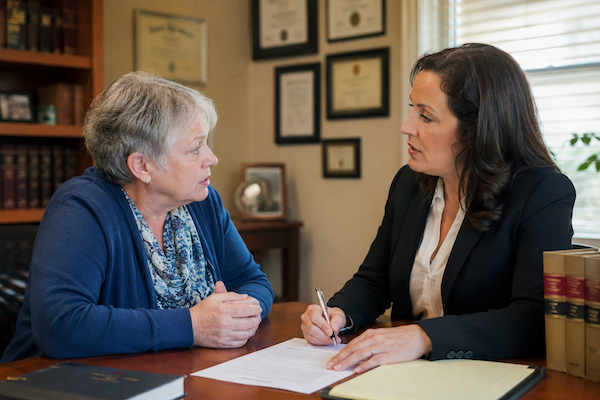
- Ombudsmen act as administrative mediators: They focus on resident rights, facility rules, and immediate care corrections without legal teeth.
- Lawyers handle formal civil litigation: Attorneys leverage statutory protections like EADACPA to secure financial accountability for severe physical injuries or corporate neglect.
- Confidentiality rules diverge sharply: Ombudsman investigations are strictly confidential under state law to protect resident privacy, while civil lawsuits generate public records that expose corporate operational failures.
- No financial recovery via the ombudsman program: Families seeking accountability for medical expenses, pain and suffering, or funeral costs must pursue a civil lawsuit.
The Regulatory Role of a California Long-Term Care Ombudsman
The California Long-Term Care Ombudsman Program is mandated by federal and state law to identify, investigate, and resolve complaints made by, or on behalf of, residents in long-term care facilities. Operating locally throughout California counties, these state-certified representatives have a statutory right to enter facilities unannounced to monitor conditions and speak directly with residents.
Common issues handled by an ombudsman include:
- Violations of California resident rights, such as unannounced or improper eviction notices.
- Quality-of-life grievances involving cold meals, poor hygiene assistance, or unaddressed environmental hazards.
- Disagreements regarding daily routines, visitation restrictions, or personal privacy.
- Failure of staff to answer call lights promptly or treat residents with basic dignity.
Because an ombudsman relies on mediation, their approach is cooperative rather than adversarial. They attempt to resolve issues directly with the facility’s director of nursing or administrator. They do not possess enforcement powers; they cannot fine an operator, revoke a facility license, or compel corporate owners to cover medical bills resulting from severe neglect.
The Power of California Elder Abuse Litigation
Administrative mediation falls short when corporate cost-cutting measures result in profound physical trauma or death. An elder abuse attorney steps in when facility misconduct crosses the threshold into actionable neglect or physical abuse under California law.
Trial attorneys act as single-minded advocates for the victim and their family. Unlike the broad regulatory focus of an ombudsman, a dedicated legal team conducts a forensic investigation into the facility’s corporate structure and operational practices. This involves cross-referencing daily staffing logs against mandatory California minimum staffing hours, analyzing corporate budgets to prove profit-maximization, and demonstrating exactly how a lack of resources led to a catastrophic medical breakdown.
Civil litigation targets systemic institutional failures that result in preventable harm, including:
- Advanced pressure ulcers: Stage III or IV bedsores caused by a failure of staff to follow turning schedules and nutritional protocols.
- Catastrophic falls: Fractures or brain bleeds occurring because a facility ignored a resident’s assessed fall risk or failed to provide physical transfer assistance.
- Severe dehydration and malnutrition: Rapid physical decline stemming from chronic understaffing and a lack of basic dietary oversight.
- Chemical restraints: Misusing antipsychotic or sedative medications to manage residents as a substitute for adequate staffing.
The Statutory Leverage of EADACPA
In California, elder abuse lawsuits are uniquely powerful due to the Elder Abuse and Dependent Adult Civil Protection Act (EADACPA). When a trial firm proves by clear and convincing evidence that a facility is guilty of reckless neglect, the law permits enhanced remedies that go beyond standard personal injury claims.
These enhanced remedies include the recovery of attorney fees and, crucially, damages for the resident’s pre-death pain and suffering in wrongful death actions. This statutory framework makes it financially unfeasible for corporate nursing home chains to treat injuries simply as a cost of doing business, forcing real operational accountability.
How the Two Systems Work Sequentially for Families
An ombudsman is often a family’s initial point of contact when early signs of neglect appear. The records and complaints logged by an ombudsman can establish a critical paper trail. If an ombudsman repeatedly flags a California facility for understaffing or delayed care, and management ignores those warnings, that historical documentation can serve as powerful evidence of recklessness in a subsequent lawsuit.
However, if a resident has already suffered a severe injury requiring hospitalization, families should consult an attorney immediately rather than waiting for an administrative review to finish. Immediate legal action is necessary to issue preservation of evidence letters, preventing the alteration or destruction of electronic medical records, shift logs, and internal surveillance footage.
Navigating California Accountability Resources
Families addressing long-term care crises can utilize distinct regulatory avenues to report misconduct and protect their relatives.
- California Department of Public Health (CDPH): The state agency responsible for licensing nursing homes and enforcing health codes. CDPH investigates formal complaints and has the sole authority to issue state citations, level administrative fines, or initiate license revocation.
- California Department of Social Services (CDSS): The regulatory body that oversees and licenses Residential Care Facilities for the Elderly (RCFEs) and assisted living homes across the state.
- Adult Protective Services (APS): A county-level agency that investigates immediate allegations of abuse, exploitation, or severe self-neglect to ensure an older adult’s immediate physical safety.
- Local Ombudsman Offices: County-specific branches that provide certified advocates for ongoing, localized facility monitoring and mediation.
Evaluating Legal Options for Corporate Neglect
Resolving an isolated dispute over facility scheduling or dietary choices is a task well-suited for an ombudsman. But when a facility’s operational failures lead to severe physical injury, broken bones, or an untimely loss of life, administrative mediation cannot undo the damage or provide justice.
Stebner, Gertler, & Guadagni prosecutes complex elder abuse litigation by taking aim at the corporate decisions that place vulnerable residents at risk. If a California long-term care facility has caused severe harm to your family member, a confidential case evaluation can help clarify your options for holding the corporate ownership group accountable.