

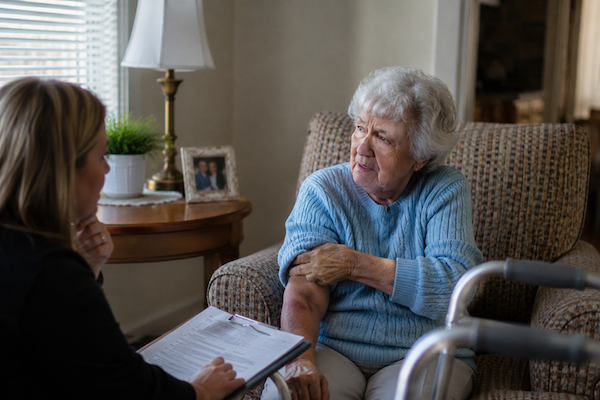
When a California skilled nursing facility or assisted living community attempts to dismiss a severe injury as an inevitable “part of aging,” they are usually trying to deflect blame from a systemic failure in care. Aging naturally causes a decline in physical strength, bone density, and cognitive clarity, but it does not cause deep pressure ulcers, severe malnutrition, or unexplained fractures. Under California law, these catastrophic injuries are frequently the direct result of institutional neglect, chronic understaffing, or an administrative failure to implement necessary, individualized care plans.
Stebner, Gertler, & Guadagni routinely holds corporations accountable when they use a resident’s advanced age as a shield for corporate misconduct. The California Elder Abuse and Dependent Adult Civil Protection Act (EADACPA) specifically protects vulnerable adults from this type of passive and reckless neglect. When a long-term care facility accepts a resident, they assume a legal, custodial obligation to manage that resident’s known, age-related vulnerabilities—not to use those risks as a built-in excuse for preventable trauma.
- Aging Is Not a Legal Defense: Natural physical decline does not excuse a facility’s failure to prevent predictable injuries like recurrent falls or severe pressure sores.
- The Staffing Link: Most injuries blamed on a resident’s “frailty” actually stem from corporate cost-cutting choices that leave frontline staff numbers dangerously low.
- EADACPA Civil Remedies: Proving reckless neglect under California law unlocks heightened statutory remedies, including attorney’s fees and pre-death pain and suffering damages.
- Critical Immediate Steps: Overcoming the facility’s narrative requires prompt documentation, securing the complete medical file, and reporting the injury to the California Department of Public Health (CDPH).
The Legal Line Between Natural Decline and Facility Neglect
Facilities often rely on the broad, medicalized term “frailty” to normalize incidents that are entirely preventable. There is an absolute legal distinction between a resident slowly losing mobility due to progressive arthritis and a resident fracturing a hip because they were left unassisted for hours in violation of their care plan.
Under California Welfare & Institutions Code Section 15610.57, neglect is defined by what the facility *omitted* to do. When a corporate entity accepts a fragile resident, its primary duty is to protect them from known health and safety hazards.
Preventable Falls vs. Accidental Stumbles
Federal and state regulations require California nursing homes to conduct comprehensive fall risk assessments for every resident upon admission and immediately following any change in physical condition. If a resident has a documented history of balance issues, cognitive decline, or takes medication that causes dizziness, the facility must implement specific interventions. These interventions might include low-beds, motion sensors, floor mats, or required two-person assist protocols for transfers.
When a fall occurs because these interventions were ignored, bypassed, or never put in place by administrative leadership, the resulting injury is not a byproduct of aging. It is a explicit failure to execute a required standard of care.
Pressure Sores Are a Failure of Basic Care
Perhaps the most egregious example of blaming aging for institutional neglect is the development of pressure ulcers (bedsores). Facility administrators frequently claim that a resident’s skin is “papery” or breaks down naturally due to poor peripheral circulation or advanced age. While advanced age certainly impacts skin elasticity, Stage III or Stage IV deep tissue pressure sores only develop when a resident is left completely immobile in a bed or wheelchair for prolonged periods.
The California Department of Public Health (CDPH) outlines strict guidelines regarding turning and repositioning schedules, typically mandated every two hours, alongside proper clinical nutrition and hydration to protect skin tissue. A deep, infected wound is an unassailable indicator that a human being was abandoned by caregivers.
The Root Cause: Corporate Decisions and Chronic Understaffing
When a severe injury occurs, defensive frontline staff may appear rushed, tired, or poorly trained. However, the true failure rests at the corporate level. Many elder care facilities in California are operated by large, multi-facility conglomerates that maximize profit margins by deliberately minimizing labor costs and staffing levels.
| Corporate Budget Restrictions (Maximizing Net Margins) |
→ | Chronic Understaffing (Dangerous CNA Ratios) |
→ | Skipped Essential Care (No Turning or Assistance) |
→ | Severe Injuries (Blamed on “Old Age”) |
When a facility runs short-staffed, basic care tasks are skipped out of sheer mathematical impossibility. Call lights go unanswered for thirty minutes or longer, forcing a confused or desperate resident to attempt to walk to the bathroom alone, resulting in a catastrophic fall. Turn schedules are ignored to catch up on paperwork, resulting in bedsores. Meal assistance is neglected, causing rapid weight loss, severe dehydration, and systemic organ decline. When these systemic, budget-driven failures lead to catastrophic harm, blaming the resident’s age is a calculated legal strategy to protect the corporate bottom line.
Overcoming the “Pre-Existing Conditions” Defense in Court
In litigation, defense attorneys for nursing homes routinely argue that the resident was already close to the end of life or suffered from multiple chronic illnesses, implying that the injury did not alter their trajectory. They use the resident’s medical history to minimize the financial and moral weight of the harm.
As experienced Hawyard elder abuse lawyers, Stebner, Gertler, & Guadagni counters this defense by focusing heavily on the facility’s statutory duties. California law applies the “eggshell plaintiff” principle, meaning a defendant is legally responsible for the damages they cause, even if the victim was already fragile or suffering from pre-existing medical conditions. A resident’s advanced physical vulnerability does not grant a facility permission to neglect them; if anything, it legally heightens the level of observation and care required by state licensing boards.
The firm utilizes internal facility records, electronic charting metadata, and expert medical testimony to prove that the corporate facility’s omissions caused unnecessary pain, accelerated baseline decline, or led directly to a wrongful death.
Immediate Actionable Steps for California Families
If a facility dismisses your loved one’s injury as a normal part of growing older, you must immediately take independent steps to preserve essential evidence and build an objective record of the event.
- Request the Complete Medical File: Families with power of attorney or next-of-kin status have a legal right to review and copy the resident’s full chart, including nursing progress notes, comprehensive care plans, and physician orders. Look specifically for gaps or retroactive changes in the documentation.
- Document Everything Visually: Take detailed, high-resolution photographs of any visible injuries, bruising, skin tears, or pressure ulcers. Photograph the surrounding environment, noting if call lights are out of reach, if assistive devices are missing, or if water pitchers are empty.
- File an Official Complaint with the CDPH: Report the injury to the California Department of Public Health. A formal regulatory complaint triggers an unannounced state investigation. If state investigators issue citations for safety violations, those citations provide powerful independent evidence in a civil lawsuit.
- Engage the Local Long-Term Care Ombudsman: Contact your county’s Long-Term Care Ombudsman Program. Ombudsmen are state-certified advocates who can visit the facility, interview staff, and help protect the immediate rights of facility residents.
Seeking Trial Accountability for Institutional Neglect
Resolving an elder neglect case requires an understanding of how corporate defendants operate. Many general practice firms handle these cases with the goal of securing a quick, quiet settlement that allows the facility to continue its current business practices without making meaningful structural changes.
Stebner, Gertler, & Guadagni operates differently. As peer-recognized trial lawyers, the firm builds every elder abuse case with the explicit expectation of presenting it to a jury. Corporate operators evaluate claims based on the willingness and proven ability of opposing counsel to litigate a case to a verdict. By thoroughly investigating corporate financial structures, actual staffing records, and historical regulatory violations across California, the firm forces institutional defendants to face genuine accountability for the harm caused by systemic neglect.
If a family member has suffered severe harm, a permanent injury, or a wrongful death, a formal case evaluation can help clarify your options. A confidential review of medical records and facility history can determine whether the injuries are the result of actionable corporate misconduct rather than the natural process of aging.
Disclaimer: The information provided in this article does not, and is not intended to, constitute legal advice; instead, all information, content, and materials available in this post are for general informational purposes only. Information in this article may not constitute the most up-to-date legal or regulatory developments. Readers should contact a qualified attorney to obtain advice with respect to any particular legal matter. No reader, user, or browser of this site should act or refrain from acting on the basis of information on this site without first seeking legal advice from counsel in the relevant jurisdiction. Use of, and access to, this website or any of the links or resources contained within the site do not create an attorney-client relationship between the reader and Stebner, Gertler, & Guadagni.