

Experienced Attorneys Holding Nursing Facilities Accountable for Choking & Aspiration in Hayward, CA
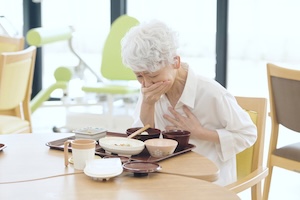 Nursing home residents in Hayward deserve to eat in safety. When a facility fails to provide proper supervision or ignores specific dietary plans, the results are often fatal. Choking and aspiration are rarely “unfortunate accidents” in a clinical setting; they are frequently the direct result of systemic neglect and institutional failure.
At Stebner, Gertler, & Guadagni, we represent families whose loved ones have suffered from preventable respiratory distress and choking incidents in California long-term care facilities. Facilities have a legal obligation to assess a resident’s risk and implement safeguards. When they prioritize profits over staffing levels, residents pay the price.
Key Takeaways: Choking and Aspiration in Care Facilities
- Preventability: Most choking incidents in nursing homes stem from a failure to follow physician-ordered dietary restrictions.
- Aspiration Pneumonia: This occurs when food, saliva, or liquids enter the lungs, often due to improper positioning or feeding techniques.
- Institutional Accountability: Understaffing is a primary driver of feeding errors in Hayward assisted living facilities.
- Legal Recourse: Families can hold facilities liable for medical expenses, pain and suffering, and wrongful death.
The Danger of Choking and Aspiration in Hayward Facilities
In a Hayward nursing home or assisted living environment, many residents suffer from dysphagia—a medical term for difficulty swallowing. This condition requires specific interventions, such as “mechanical soft” diets or one-on-one feeding assistance.
When a facility ignores these needs, two primary crises occur:
- Airway Obstruction (Choking): A physical blockage of the windpipe. This leads to immediate oxygen deprivation, brain damage, or death.
- Aspiration: This is more subtle but equally deadly. It happens when foreign material is inhaled into the lungs. In many Hayward cases, aspiration pneumonia develops because staff failed to keep a resident upright after a meal or rushed the feeding process.
Why Choose Stebner, Gertler, & Guadagni?
Selecting a Hayward choking & aspiration lawyer requires finding a firm that understands the intersection of medical standards and California elder abuse statutes. Our firm is recognized across the state for holding powerful healthcare corporations accountable for neglect.
Deep Experience in California Elder Law
We do not simply handle personal injury cases. Our focus is almost exclusively on the rights of the elderly and vulnerable. This specialization allows us to anticipate the defenses nursing homes use and dismantle them with clinical evidence.
A Track Record of Accountability
Stebner, Gertler, & Guadagni has secured significant results for clients in cases involving aspiration pneumonia and nursing home choking. We understand the mechanics of these injuries—how a missed “thickened liquid” order or a distracted CNA can lead to a tragedy.
Compassionate, Direct Representation
You will work with a team that values transparency. We provide clear, honest assessments of your case, ensuring you understand the legal pathway forward while we handle the heavy lifting of litigation and investigation.
Families across California trust Stebner, Gertler & Guadagni to hold negligent facilities accountable.
Client Testimonials and Reviews
Why Choking Incidents Happen: The Role of Institutional Failure
It is rare that a single mistake causes a resident to choke. Usually, the incident is the final link in a chain of institutional failures that could have been broken with proper care.
Chronic Understaffing
Feeding a resident with dysphagia takes time. It cannot be rushed. In many Hayward nursing homes, a single certified nursing assistant (CNA) may be responsible for ten or fifteen residents during a meal service. To finish their rounds, they may feed residents too quickly or leave high-risk individuals to eat unattended.
Failure to Follow Care Plans
Every resident should have an individualized care plan. If a doctor mandates that a resident only receive pureed food, and the kitchen delivers a standard tray, the facility has breached the standard of care. Stebner, Gertler, & Guadagni meticulously reviews these records to identify where the breakdown occurred.
Poor Training and Supervision
Staff must be trained to recognize the “silent” signs of aspiration, such as coughing, watering eyes, or a gurgling voice during meals. When management fails to train staff or supervise meal times, these warning signs go unnoticed until it is too late.
Recognizing the Warning Signs of Neglect
If your loved one is in a Hayward facility, remain vigilant for signs that their nutritional and respiratory safety is being compromised:
- Frequent Respiratory Infections: Recurrent bouts of pneumonia often signal chronic aspiration.
- Unexplained Weight Loss: This may indicate the resident is afraid to eat or that staff are skipping meals because they are “too difficult” to feed.
- Pocketing Food: Finding unswallowed food in a loved one’s cheeks hours after a meal suggests a lack of supervision.
- Changes in Diet Without Notice: If the facility moves a resident to a more restrictive diet without a medical consultation, they may be trying to hide a previous “near-miss” choking event.
Reporting Elder Abuse in Hayward, CA
If you suspect your loved one is at risk or has already suffered an injury, immediate action is necessary. Beyond seeking legal counsel, you should report the facility to the appropriate California authorities to ensure a record of the neglect exists.
- Alameda County Adult Protective Services (APS): They investigate reports of abuse and neglect within the county. Phone: (510) 577-3500.
- California Long-Term Care Ombudsman: This office advocates for residents in long-term care facilities. The local Hayward/Alameda County office can provide an objective investigation into quality-of-care issues. Crisis Line: 1-800-231-4024.
- California Department of Public Health (CDPH): You can file an official complaint against a nursing home’s license through the CDPH.
What a Hayward Choking & Aspiration Lawyer Does for You
Investigating a choking or aspiration claim involves more than just looking at a death certificate. Our team at Stebner, Gertler, & Guadagni conducts a deep dive into the facility’s operations to find the root cause of the injury.
We audit personnel files to look for a history of inadequate staffing or lack of training. We also reconstruct medical records, comparing the doctor’s orders against the actual meal logs to prove inconsistencies. By working with speech-language pathologists and geriatric physicians, we explain exactly how the facility’s negligence led to the injury.
Legal Options for Families
In California, families have several avenues for justice. Depending on the circumstances, you may be able to pursue a claim for elder abuse and neglect under the Elder Abuse and Dependent Adult Civil Protection Act. This allows for the recovery of attorney’s fees and pain and suffering damages even after the resident has passed away. Other options include medical malpractice claims or wrongful death suits to compensate the family for the loss of companionship and the emotional toll of a preventable death.
FAQs: Choking and Aspiration Pneumonia
Yes. If the facility knew your father had a high risk of aspiration and failed to use proper positioning (like keeping the head of the bed elevated) or failed to monitor him, they can be held liable for his resulting injuries or illness.
A state citation is excellent evidence, but it does not provide compensation for your family or cover medical bills. A private lawsuit is the primary way to hold the facility financially accountable for their failures.
California has strict statutes of limitations for personal injury and elder abuse. Generally, you have two years from the date of the injury, but cases involving medical malpractice may have shorter deadlines. It is best to consult with our firm as soon as possible.
While it can occur naturally in very frail individuals, it is a significant red flag. If the pneumonia was caused by a feeding error, a failure to follow a “thickened liquids” order, or a lack of supervision, it is likely the result of neglect.
Facilities often use a resident’s underlying condition as an excuse. While dementia increases the risk of swallowing issues, it also increases the facility’s legal responsibility to provide a higher level of care and supervision.
Choking is a physical blockage of the airway that prevents breathing. Aspiration is the inhalation of food or liquid into the lungs, which can lead to aspiration pneumonia. Both are often caused by the same type of nursing home neglect.
You may be able to recover costs for medical treatment, funeral expenses, and damages for the resident’s pain and suffering. In cases of extreme neglect, punitive damages may also be available.
Contact a Hayward Choking & Aspiration Lawyer Today
If your loved one suffered a choking incident or died from aspiration pneumonia in a Hayward nursing home, do not accept the facility’s explanations at face value. Institutional neglect is often hidden behind clinical jargon and administrative excuses.
Our firm is dedicated to uncovering the truth and ensuring that Hayward facilities are held to the standards the law requires. Contact Stebner, Gertler, & Guadagni to discuss your case with an experienced Hayward choking & aspiration lawyer. We offer a no-cost, confidential consultation to help you understand your rights and the best path forward for your family.