

When a long-term care facility in Fremont dismisses a severe injury as an inevitable accident, families are rarely given the complete picture. You can bring a lawsuit against a nursing home that attributes a serious injury to an unpreventable fall if the facility failed to perform required fall risk assessments, ignored mandatory care plans, or maintained insufficient staffing levels to provide appropriate supervision. Under California law, nursing homes are legally obligated to evaluate each resident’s physical capabilities, implement individualized fall prevention strategies, and maintain a safe environment. When a facility fails to meet these statutory standards, a fall is often not an unavoidable event, but the direct result of systemic corporate neglect.
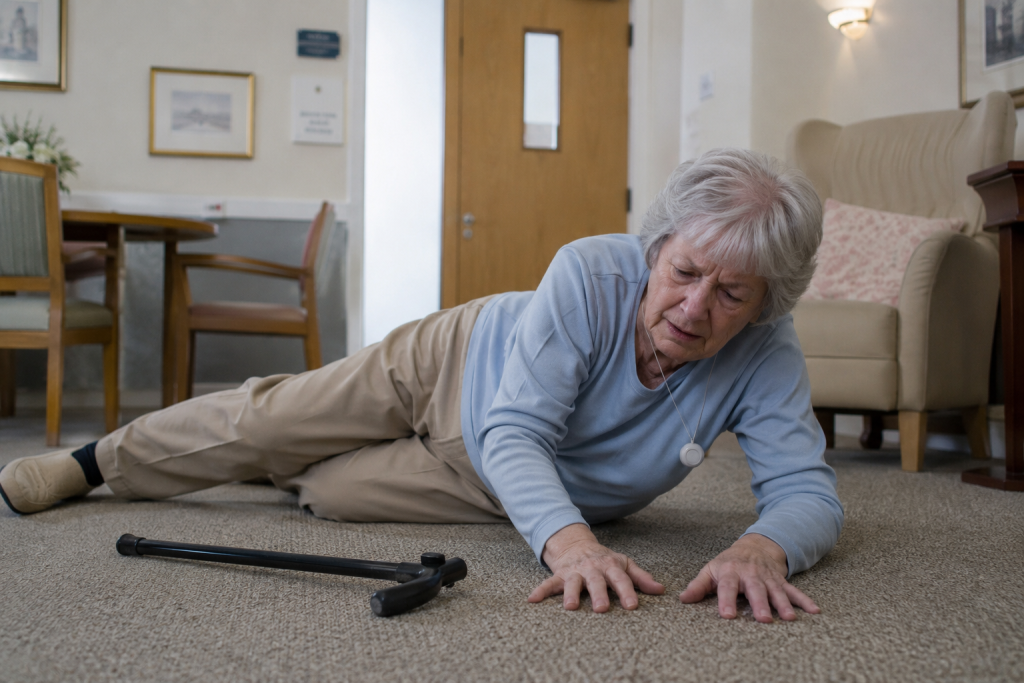
Holding a facility liable requires proving that the provider breached its duty of care or engaged in reckless neglect under the Elder Abuse and Dependent Adult Civil Protection Act (EADACPA). While care facilities routinely document falls as sudden, blameless occurrences, medical records, shift logs, and internal incident reports frequently reveal a different pattern: unaddressed mobility declines, delayed response to call lights, or failure to assist during transfers. Stebner, Gertler, & Guadagni regularly uncovers these underlying operational failures to hold negligent operators accountable.
- Falls Are Often Preventable: Facilities must complete comprehensive fall risk assessments upon admission and update them after any change in condition under Title 22 of the California Code of Regulations.
- Liability Extends to Systemic Failure: Chronic understaffing and delayed response times frequently turn manageable assistance needs into severe injury events.
- EADACPA Protection: Proving reckless neglect under California elder abuse statutes allows families to seek remedies beyond standard professional negligence limitations.
- Immediate Evidence Preservation: Medical records, incident reports, and state regulatory complaints are crucial to exposing facility misrepresentations.
Deciphering “Unavoidable” Falls: Regulatory Realities in California
Nursing home administrators frequently attempt to shield their facilities from liability by labeling resident falls as unpredictable occurrences. California regulatory frameworks establish a strict standard of care regarding resident safety. Under Title 22 of the California Code of Regulations, long-term care facilities must conduct thorough evaluations of every resident’s physical and cognitive status. These assessments dictate the specific level of care required, including transfer assistance, bed alarms, low-height beds, or specialized mobility aids.
When a facility claims a resident simply fell, the primary legal inquiry centers on whether staff followed the resident’s mandated care plan. If an assessment identifies a resident as a high fall risk requiring two-person assistance during transfers, and a single staff member attempts the transfer—or leaves the resident unattended—the resulting fall constitutes a breach of professional standards.
Facilities also conceal neglect by treating falls as isolated incidents rather than symptoms of broader institutional deficiencies. Common operational failures that cause preventable falls include:
- Delayed Call-Light Responses: Residents attempting to reach the restroom unassisted after waiting extended periods for staff assistance.
- Failure to Maintain Equipment: Faulty wheelchair brakes, improper walker sizing, or missing bed rails.
- Inadequate Post-Fall Protocols: Failing to re-evaluate a resident after an initial tumble, leading to subsequent, more severe injuries.
- Medication Management Errors: Administering sedatives or psychotropic drugs that impair balance without adjusting supervision levels.
The Role of Chronic Understaffing and Corporate Profit Margins
In many Alameda County facilities, fall risks are heightened by corporate budgeting decisions that prioritize occupancy rates over adequate nurse-to-resident ratios. When corporate operators cut shift staffing to boost operating margins, the remaining floor staff cannot promptly answer call buttons or assist with routine transfers.
California Health and Safety Code Section 1276.5 mandates minimum direct care nursing hours per resident day. Despite these statutory thresholds, facilities frequently run short-staffed, particularly on night and weekend shifts. When a resident suffers a subdural hematoma, hip fracture, or spinal injury, management may frame the event as an unlucky accident. In reality, the root cause is often an intentional corporate strategy that leaves floor staff overextended and unable to provide required monitoring.
Stebner, Gertler, & Guadagni approaches these cases by looking past the entry in the shift log. By examining daily assignment sheets, call-bell response data, and payroll records, trial attorneys can expose discrepancies between mandatory care plans and actual staffing levels on the floor.
Navigating California Elder Abuse Law vs. Medical Malpractice
A critical distinction in California litigation involves differentiating between simple professional negligence and civil elder abuse under the Elder Abuse and Dependent Adult Civil Protection Act (EADACPA). Standard medical malpractice claims fall under restrictive statutory caps and procedural hurdles. However, when a nursing home demonstrates a conscious disregard for resident safety—such as repeatedly ignoring known fall hazards or deliberately understaffing a unit—the conduct elevates to elder neglect.
Proving statutory neglect under EADACPA requires demonstrating that the facility repeatedly failed to provide necessary care or protection to a vulnerable adult. Establishing elder neglect allows families to pursue heightened remedies, including attorney’s fees and damages for pain and suffering that survive the elder’s passing.
Documenting this level of neglect requires immediate, methodical evidence collection. A skilled Fremont Elder Abuse Attorney can act quickly to subpoena internal records, preserve electronic call-light logs, and interview current or former staff members before records are altered or memories fade.
Critical Steps for Families Following a Nursing Home Fall
If a facility informs you that your family member suffered a fall, taking deliberate action helps protect their health and preserves legal options:
- Demand Immediate External Medical Assessment: Do not rely solely on the nursing home physician’s initial assessment. Request an immediate evaluation at a local acute care facility, such as Washington Hospital Healthcare System or Kaiser Permanente Fremont Medical Center, to properly diagnose soft-tissue injuries, fractures, or internal bleeding.
- Request Complete Records: Request copies of the facility’s internal incident report, the resident’s complete chart, physical therapy logs, and call-light audit trails.
- Document Physical Evidence and Surroundings: Take photos of the location where the fall occurred, noting lighting conditions, floor hazards, and the position or absence of safety equipment.
- File a Regulatory Complaint: Report the incident to the California Department of Public Health (CDPH) Licensing and Certification Division, which oversees facilities in Alameda County. An independent CDPH investigation can yield objective findings regarding staffing shortages or care plan non-compliance.
- Contact Local Advocacy Groups: Engage the Long-Term Care Ombudsman Program of Alameda County. Ombudsmen serve as independent advocates for facility residents and can assist in investigating care quality concerns.
Holding Negligent Facilities Accountable
When a long-term care provider allows a vulnerable resident to suffer preventable harm, holding the corporate entity accountable is crucial to preventing future neglect. Facilities must understand that blaming injuries on unavoidable accidents does not relieve them of their statutory duties under California law.
Stebner, Gertler, & Guadagni brings decades of focused trial experience to complex nursing home litigation across Northern California. If you suspect that a facility’s explanation of a fall conceals underlying care failures or understaffing, a confidential case evaluation can help determine the appropriate legal response and ensure your family’s rights are protected.